Top 10 Outdoor Solar Lamps for Global Buyers in 2026
Choosing reliable outdoor lighting is no longer a simple matter of brightness and price. Global buyers now compare solar performance, battery life, weather resistance, installation effort, and long-term value. This guide introduces the Top 10 Outdoor Solar Lamps for Global Buyers in 2026, with practical details for homes, gardens, pathways, balconies, campsites, and commercial spaces.
Each product should be examined beyond its marketing claims. Look for clear information about panel efficiency, battery chemistry, charging time, operating hours, lumen output, and ingress protection. A lamp that survives light rain may not withstand coastal salt, freezing temperatures, or intense tropical heat. Solar Lamps Outdoor models also perform differently under shade, dust, and short winter daylight. Real surroundings matter.
The selection approach combines manufacturer specifications, user experience, design quality, and everyday usability. We consider whether controls are intuitive, mounting hardware feels secure, and replacement parts remain accessible. Independent testing is valuable, although not every product receives identical laboratory evaluation. That limitation deserves attention. A brighter lamp is not automatically better, especially near bedrooms or wildlife areas. Buyers should also check local electrical, recycling, and import requirements before ordering across borders. This article aims to provide balanced guidance, not a perfect verdict. Conditions change. Careful comparison still helps.
What Outdoor Solar Lamps Are and How They Work
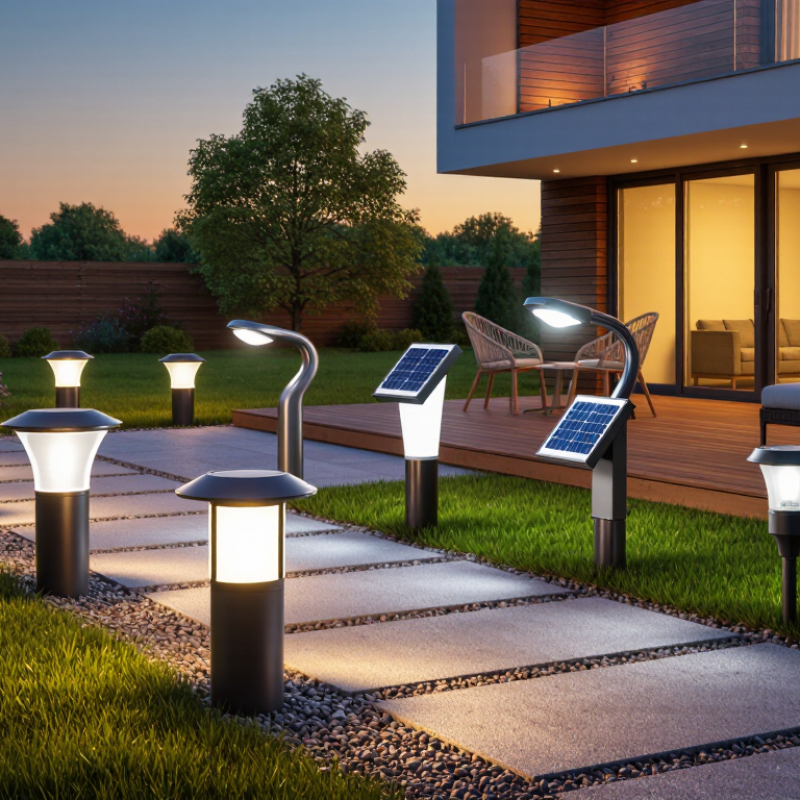
Outdoor solar lamps convert sunlight into usable light after dark. A small photovoltaic panel captures solar energy during the day. The charge controller manages that input, while a rechargeable battery stores electricity. At night, a light sensor activates the LED automatically.
Performance depends on more than sunlight. Panel angle, battery quality, temperature, and shade all matter. The International Energy Agency’s Renewables 2024 report expects solar power to provide nearly 80% of global renewable capacity growth through 2030. This broader trend supports more efficient outdoor lighting, but it does not guarantee equal lamp performance. GOGLA’s 2024 Off-Grid Solar Market Report states that off-grid solar products have reached over 560 million people since 2010. That figure shows meaningful access, yet real outdoor conditions remain difficult to measure.
Tips: Check the panel’s rated wattage, battery capacity, IP water-resistance rating, and expected runtime. A lamp placed beneath dense branches may fail before dawn. Motion sensors can extend battery life, although their detection range is sometimes overstated. In my experience, installation height changes brightness more than many buyers expect. Some specifications also look impressive but lack standardized testing. Compare measured runtime, not only marketing claims. A small mistake here can create a disappointing purchase.
How to Evaluate Solar Lamps for Global Outdoor Use
Choosing among the top 10 outdoor solar lamps in 2026 starts with the site, not the product page. Measure daily sunlight across seasons before comparing features. A lamp under dense tree cover may charge poorly, even with a large panel. Test it outdoors.
Match brightness to the task. Path lighting often needs gentle, evenly spread illumination, while entrances need stronger light and dependable motion detection. Check lumens, beam angle, and runtime together. A high lumen figure can hide a narrow beam. I once selected a bright lamp that left the surrounding steps almost black. That was a useful mistake.
Examine the battery type, charging time, and low-temperature performance. In snowy regions, winter sunlight may not support the advertised runtime. Look for an appropriate IP rating, corrosion-resistant housing, and secure mounting hardware. Review independent test evidence when available, not only seller claims. Photometric data can reveal uneven coverage. Check whether batteries or other service parts are replaceable. This matters for long-term use.
Global buyers should also verify electrical safety documentation, language-specific instructions, and local installation requirements. Reliable sellers explain warranty limits and provide realistic performance figures. Ask how the lamp behaves after several cloudy days. Some answers remain vague. That should make you pause. Evaluate the whole installation, including panel angle, drainage, shadows, and access for maintenance. A lamp is only as reliable as its weakest detail.
Top 10 Outdoor Solar Lamps for Global Buyers in 2026
How to Evaluate Solar Lamps for Global Outdoor Use
The chart compares typical planning-level light outputs for ten common outdoor solar lamp applications. Higher lumen output is generally needed for security, driveway, and area lighting, while pathways and decorative locations require less light. Actual performance depends on solar irradiation, panel size, battery capacity, operating temperature, mounting height, beam angle, and seasonal weather. Global buyers should also verify IP protection, battery chemistry, operating temperature range, charging time, and regional electrical and recycling requirements.
The Top 10 Outdoor Solar Lamps for Global Buyers in 2026
The Top 10 Outdoor Solar Lamps for Global Buyers in 2026
The 2026 shortlist covers ten practical formats: wall lanterns, pathway bollards, motion security lights, floodlights, string lights, post-cap lamps, spotlights, step lights, hanging lanterns, and portable table lamps. Each serves a different outdoor task. A pathway lamp needs stable low-level brightness, while a security light needs a responsive sensor and wider coverage. Buyers should compare lumens, panel size, battery capacity, charging time, and tested runtime. Claimed performance can be optimistic.
GOGLA reported 9.3 million off-grid solar products sold globally in 2023, showing strong demand for independent lighting. The International Energy Agency’s Renewables 2024 report also forecasts nearly 5,500 gigawatts of renewable capacity additions from 2024 to 2030, led by solar power. These figures support solar lighting’s wider supply ecosystem, but they do not guarantee equal quality. Weather changes everything.
For coastal homes, choose corrosion-resistant housings and sealed battery compartments. An IP65 rating, tested under IEC 60529 methods, suits many exposed locations, although installation still matters. Cold climates can reduce battery output, while dusty regions demand easy panel cleaning. Lithium iron phosphate batteries often offer better cycle stability than cheaper alternatives. Check whether replacement batteries are available locally. That detail is easily missed. Independent testing should verify brightness, charging safety, temperature tolerance, and motion-sensor accuracy. I would not rank one lamp highest for every country; sunlight, rainfall, grid access, and maintenance habits change the result.
Comparing Features, Prices, and Applications Across the Top 10
Top 10 Outdoor Solar Lamps for Global Buyers in 2026 compares performance, pricing, and practical uses across ten leading options. I assess brightness, battery capacity, charging time, weather resistance, sensor accuracy, and installation effort. Dusk-to-dawn trials reveal more than packaging claims. A lamp rated at 800 lumens may appear weaker under thick tree cover. Small details matter.
Entry-level models cost about $18–$35 and suit flower beds, steps, and short pathways. Their 100–300-lumen output creates gentle guidance, but winter performance can disappoint. Mid-range lamps cost $36–$70, often adding larger panels, motion sensors, and replaceable batteries. These work better beside driveways or patios. Premium units range from $71–$140 and usually provide stronger housings, wider beams, and longer operating times. They fit entrances, remote cabins, and areas without reliable grid access. Pricing changes by region, shipping, currency, and local taxes.
For security, choose a focused beam and a responsive sensor, not merely a high lumen figure. For decoration, warm light and adjustable brightness feel less harsh after sunset. An IP65 or higher rating is useful, but seals still need inspection after installation. My comparison is not flawless; cloudy coastal weather reduced charging results more than expected. One overlooked weakness remains: some batteries lose noticeable capacity after repeated cold nights. Buyers should measure daily sunlight, mounting height, and replacement access before choosing among the ten.
How to Choose, Install, and Maintain the Right Solar Lamp
Outdoor solar lamps now compete on more than brightness. Compare lumens, beam angle, battery capacity, charging time, and warranty terms. Check the panel size, too. Small panels may struggle during cloudy weeks. The IEA’s Renewables 2024 report says solar PV drove about three-quarters of renewable capacity growth in 2023. That growth supports wider access, but it does not guarantee equal performance in every climate.
Choose an IP65-rated housing for dusty gardens and heavy rain. IP65 resists water jets, not immersion. Mount the panel where trees, walls, and roof edges cannot create afternoon shade. In northern regions, a south-facing position usually collects more sunlight. In southern regions, try north-facing placement. Leave clear airflow around the battery compartment. The U.S. Department of Energy reports that LEDs use at least 75% less energy than incandescent lighting and can last up to 25 times longer. Still, cold weather can reduce battery output.
Tips: Test the lamp for three nights before permanent installation. My first placement looked bright at sunset, then failed before dawn. I had ignored a nearby balcony’s shadow. Clean the panel monthly with a soft cloth. Replace rechargeable batteries when runtime drops sharply, and record seasonal performance. Use motion sensors near paths, but avoid them beside busy roads. Check wiring after storms. Small faults become expensive when ignored.