How to Choose the Best Outdoor Solar Lights?
Choosing the best outdoor lighting starts with understanding how your space behaves after sunset. Observe where sunlight reaches the ground, walls, and pathways. A sunny patio may charge efficiently, while a tree-covered corner may remain dim. This simple check often matters more than attractive product photos.
Solar Lights Outdoor should match your safety, comfort, and design needs. Pathway lights usually need gentle, even illumination. Security lights require higher lumens and dependable motion sensors. Check the battery type, charging time, panel angle, and expected runtime. A product with an IP65 rating can better resist dust and water exposure. However, ratings do not remove the need for proper placement and maintenance. Keep panels free from leaves, dirt, and bird droppings. Small details matter.
Read the manufacturer’s instructions carefully. Look for clear warranty terms and credible testing information. Independent reviews can reveal weak batteries, delayed sensors, or poor winter performance. Even careful choices can disappoint. Cloudy weather may reduce runtime, and cold temperatures can affect battery output. I would test one light before buying a full set. That practical step protects your budget and exposes problems early. Consider brightness, color temperature, installation height, and replacement parts together. The best choice is not always the brightest model. It should provide reliable light without creating glare, clutter, or unnecessary maintenance. Each yard is different. Judge the light at night, not only in a product listing.
Understanding How Outdoor Solar Lights Work
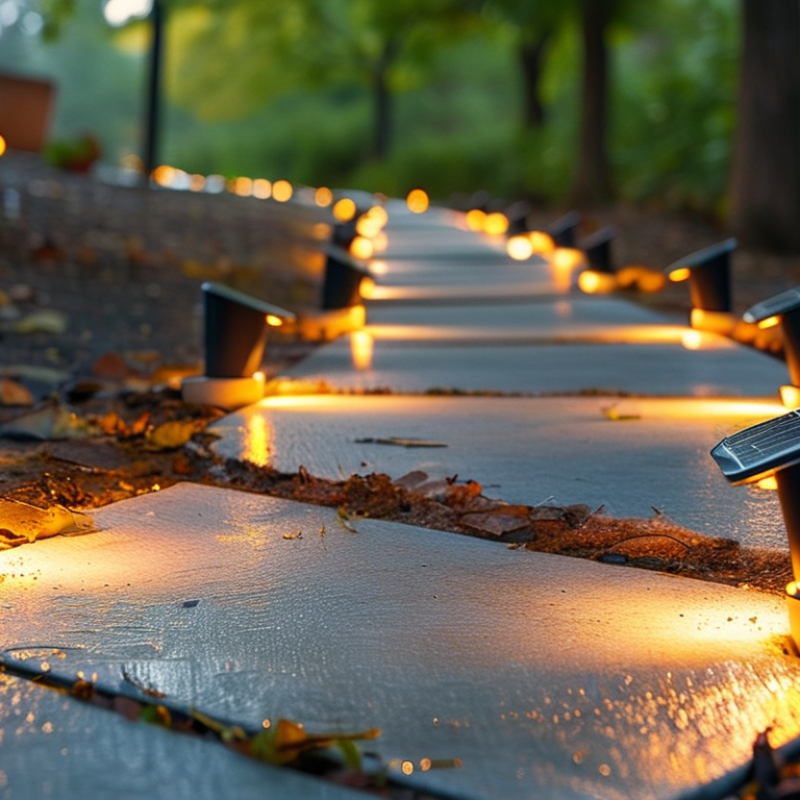
Outdoor solar lights convert sunlight into electricity through photovoltaic cells. During daylight, the cell charges a rechargeable battery inside the housing. At dusk, a light sensor activates the LEDs automatically. The battery then supplies stored energy until dawn or depletion. This cycle explains why brightness varies between seasons. A winter fixture may receive only four useful charging hours. Cloud cover still permits charging, but less efficiently. In field checks, shaded panels often caused earlier shutoff than weak LEDs. That detail is easy to miss.
When choosing a light, inspect the panel size, battery capacity, LED output, and weather protection. A larger panel can recover energy faster, but placement matters more than appearance. Aim the panel toward direct midday sun, away from walls, branches, and dust. Check the stated IP rating for rain and dust resistance. Motion sensors conserve power, while dusk-to-dawn settings provide steadier illumination. Avoid judging quality from the first bright evening. Some batteries lose capacity after repeated cold nights.
Tips: Clean the panel monthly with a soft, damp cloth. Keep nearby plants trimmed. Test the light after two cloudy days, not one sunny night. If runtime drops sharply, inspect the battery before replacing the whole unit. I once blamed the lamp, but a tilted panel was the real problem. Measure the path at night. Human eyes adapt, so perceived brightness can be misleading.
How to Choose the Best Outdoor Solar Lights?
Understanding How Outdoor Solar Lights Work
A larger solar panel can collect more energy during the day, helping the light run longer after sunset. The estimates below assume 4 peak-sun hours per day and an overall system efficiency of 80%. Actual output varies with weather, season, panel angle, shading, battery condition, and temperature.
Identifying the Best Locations and Lighting Purposes
Choosing outdoor solar lights begins with the location, not the fixture. Observe each area for a full day. A south-facing wall usually receives stronger sunlight, while shaded corners charge poorly. I once placed a path light beneath a dense tree. It looked attractive at noon but faded before midnight. That mistake changed my planning. Measure direct sunlight, especially during winter, when shadows become longer.
Use bright, focused lighting where safety matters. Steps, narrow paths, and uneven paving need clear edges without harsh glare. Place lights slightly to the side, rather than directly in walkers’ eyes. For entrances, a wider, softer beam helps identify faces, keys, and door locks. Motion activation can preserve stored energy in low-traffic areas. Keep fixtures away from sprinklers and roof runoff. Water and dirt can reduce panel performance over time.
Lighting purpose should guide brightness and spacing. Low, warm illumination suits flower beds, seating areas, and quiet patios. It reveals texture without making the garden feel overexposed. Decorative placement is less technical, but balance still matters. Three small pools of light often look calmer than one powerful lamp. Test the arrangement after dark. I sometimes move lights twice because daytime symmetry is misleading. Check the panel angle, battery access, and seasonal shade before fixing anything permanently. A perfect layout in July may disappoint in December.
Comparing Solar Light Types, Brightness, and Battery Capacity
How to Choose the Best Outdoor Solar Lights?
Outdoor solar lights serve different purposes. Path lights create a soft pool of light along walkways. Spotlights focus a stronger beam on trees, steps, or doors. Wall lights offer practical illumination near entrances. Security lights usually include motion sensors and higher brightness. Compare lumens, not appearance. A decorative light may look bright in a shop, yet produce weak outdoor lighting.
Battery capacity affects how long a light works after sunset. A larger battery can store more energy, but it also needs stronger sunlight. Check the stated capacity in milliamp-hours, then consider panel size and charging time. In my experience, a light rated for ten hours may last only five during cloudy weeks. That difference matters. Cold weather can reduce battery performance too. I still find capacity claims difficult to compare because testing conditions vary.
Tips: Place panels away from shade, even partial afternoon shade. Choose warm light for seating areas and cooler light for security zones. Check the lumen rating carefully. Also inspect the water-resistance rating and battery replacement option. I once chose a brighter model for a narrow path, and it created harsh glare. More brightness was not automatically better. Test the light from a standing position, not only from the package photo.
How to Choose the Best Outdoor Solar Lights? - Comparing Solar Light Types, Brightness, and Battery Capacity
| Solar Light Type | Typical Brightness | Typical Battery Capacity | Typical Runtime After Full Charge | Solar Panel Size | Best Outdoor Use | Key Advantages | Limitations |
|---|---|---|---|---|---|---|---|
| Pathway Light | 5–50 lumens per light | 300–800 mAh rechargeable battery | 6–12 hours | 0.5–2 W | Walkways, garden borders, and steps | Soft guidance lighting, simple installation, and low energy consumption | Usually too dim for security or large-area lighting |
| String or Decorative Light | 1–10 lumens per LED; 20–100 lumens per set | 300–1,200 mAh rechargeable battery | 6–12 hours | 0.5–3 W | Patios, balconies, fences, and outdoor décor | Creates ambient light and is easy to position without wiring | Limited brightness and reduced performance during several cloudy days |
| Wall-Mounted Lantern | 50–200 lumens | 1,000–2,000 mAh rechargeable battery | 8–12 hours in low-light mode | 1–5 W | Porches, entrances, garages, and exterior walls | Provides practical illumination and can improve entrance visibility | Requires a sunny mounting location and may need regular cleaning |
| Motion-Sensor Security Light | 300–1,500 lumens | 1,500–4,000 mAh rechargeable battery | Up to 30–60 hours on standby; shorter when frequently activated | 3–10 W | Driveways, side yards, gates, and security zones | High brightness when movement is detected and reduced battery use in standby | Frequent activation can quickly reduce runtime; sensor placement is important |
| Floodlight | 800–3,000 lumens | 3,000–10,000 mAh rechargeable battery | 6–12 hours at moderate output | 5–20 W | Large yards, building exteriors, driveways, and work areas | Wide beam and strong illumination for large outdoor spaces | Needs a large, unobstructed solar panel and may be costly to install |
| Spotlight | 200–1,000 lumens | 1,200–4,000 mAh rechargeable battery | 6–10 hours | 2–10 W | Trees, landscape features, signs, and architectural details | Focused beam, adjustable aiming, and effective feature highlighting | Illuminates a narrower area than a floodlight |
| Solar Bollard Light | 50–300 lumens per light | 800–2,500 mAh rechargeable battery | 8–12 hours | 1–5 W | Driveways, walkways, courtyards, and landscape design | Durable structure, consistent directional lighting, and attractive appearance | Higher installation cost and more noticeable shading from nearby plants or structures |
| Solar Post Light | 100–500 lumens | 1,000–3,000 mAh rechargeable battery | 8–12 hours | 1–6 W | Fences, gates, terraces, and driveway entrances | Offers decorative and functional lighting at an elevated position | Needs a stable post or mounting surface and adequate direct sunlight |
Note: Brightness, battery capacity, and runtime are typical ranges for commonly available outdoor solar lights. Actual performance varies with solar-panel efficiency, battery age, weather, temperature, shading, operating mode, and seasonal daylight.
Checking Weather Resistance, Materials, and Installation Methods
How to Choose the Best Outdoor Solar Lights?
Weather resistance should be checked before brightness. The IEC 60529 standard defines IP65 as dust-tight protection against water jets. IP67 adds temporary immersion protection, but it does not guarantee UV stability or corrosion resistance. A high IP number can still mislead me. Inspect the gasket, lens seam, and battery compartment carefully. Drainage matters. For coastal gardens, choose stainless steel or treated aluminum instead of untreated steel. UV-resistant polycarbonate can also reduce yellowing after long summer exposure.
Materials affect service life and light quality. The U.S. Department of Energy reports that LED lighting uses at least 75% less energy and can last up to 25 times longer than incandescent lighting. That advantage depends on heat management. A thick metal housing may disperse heat better than a thin plastic shell, yet it can corrode near saltwater. Check whether screws are stainless steel and whether the solar panel has a tempered glass surface. Small details matter.
Installation determines how much sunlight the panel actually receives. The National Renewable Energy Laboratory’s PVWatts model uses hourly solar data, showing why seasonal shade can change daily output considerably. Place panels away from fences, roof edges, and dense foliage. Stake lights need firm soil, while wall-mounted units require weather-sealed anchors. Use adjustable panels where winter sunlight is weak. This is easy to overlook. A well-built light may still perform poorly under a tree, and moving it later can damage the cable or loosen the mounting point.
Evaluating Maintenance Needs, Safety Features, and Overall Value
Choosing outdoor solar lights requires more than comparing brightness or purchase prices. Maintenance often determines real value. Look for replaceable batteries, sealed housings, and accessible solar panels. Dust, leaves, and winter grime can reduce charging noticeably. The U.S. Department of Energy reports that LED lighting uses at least 75% less energy and lasts up to 25 times longer than incandescent lighting. That supports solar LED systems, but battery quality still matters. A weak battery can make a bright fixture useless after one cloudy day.
Safety deserves equal attention. Choose products with clear weather-resistance information, such as an IP rating tested under IEC 60529. Keep cables away from walkways, gates, and mowing areas. Motion sensors can reduce unnecessary illumination and extend battery life. The International Energy Agency estimates that lighting consumes about 15% of global electricity, so efficient controls have practical environmental value. Still, an IP rating does not guarantee safe installation. I have seen fixtures survive rain but fail because water collected around poorly positioned connectors.
Tips: Test the light for three nights before permanent installation. Check brightness after cloudy weather. Clean the panel monthly with a soft, damp cloth. Compare the battery replacement cost with the fixture price. A cheaper light may require more visits, more waste, and earlier replacement. I sometimes overestimate brightness in a showroom, so I now judge performance at the actual path, step, or entrance. Look for stable mounting, automatic shutoff, and instructions written clearly. Small details matter.
Related Posts
-
Top 10 Benefits of LED Street Lights for Urban Lighting Systems
-
How to Choose the Best LED Street Lights for Your Urban Lighting Needs
-
Exploring the Benefits of Commercial Solar Lights for Sustainable Business Solutions
-
Embracing the Future How Best Solar Lights Outdoor Will Innovate in 2025 Technology Advancements
-
Top 10 Chinese Manufacturers of Solar Walkway Lights at the 137th Canton Fair
-
Ultimate Solutions for Enhancing Outdoor Spaces with the Best Solar Lights