Chat with us, powered by LiveChat

10 Tricycle Motor Bike Buying Tips for Global Buyers?

Buying a Tricycle Motor Bike for international use requires more than comparing prices online. Global buyers must examine payload capacity, engine performance, road conditions, service access, and long-term operating costs. A vehicle that looks affordable in a product photo may struggle on steep roads or under heavy cargo.

Daniel Okoro, a three-wheel mobility consultant with field experience in emerging markets, offers a practical reminder: “A low purchase price is not a low operating cost.” That warning deserves attention. Buyers should ask for verified specifications, warranty terms, spare-parts availability, and maintenance instructions before placing an order. Check the frame. Test the brakes. Inspect the cargo bed.

These ten buying tips are designed for importers, fleet operators, small businesses, and individual users. They explain how to compare petrol, diesel, and electric models without relying on attractive promises alone. Battery range may change with weather, load, and road quality. Fuel economy can also vary in real work.

Small details matter.

A responsible buyer should confirm dimensions, packaging protection, delivery arrangements, and after-sales communication. Local mechanics may understand engines well but lack experience with unfamiliar transmission systems. That gap can become expensive. I also recognize that no checklist can predict every market challenge. Supplier claims require independent verification, and a perfect model may not exist. Still, careful research can reduce preventable mistakes and support a safer, more dependable purchase.
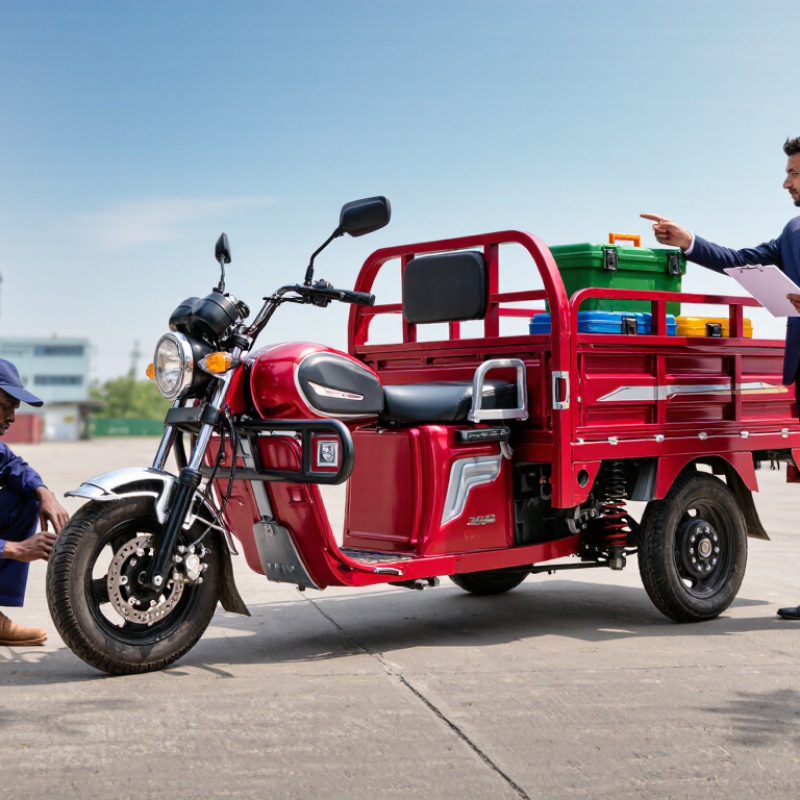
10 Tricycle Motor Bike Buying Tips for Global Buyers?

Define Your Cargo, Passenger, and Route Requirements

A reliable tricycle motor bike starts with a clear job description. Define whether it will carry cargo, passengers, or both. A vegetable seller may need a flatbed, while a family shuttle needs protected seating and sturdy handrails. Write down the usual load, not the heaviest load you imagine.

Route conditions matter just as much. Measure daily distance, road width, slopes, traffic, and surface quality. A narrow urban lane requires tight steering and compact dimensions. Rough rural roads demand stronger suspension, higher ground clearance, and durable tires. Passenger comfort changes quickly on uneven roads.

Buying tips: Weigh your normal cargo with packaging included. Count passengers, including children, and check the permitted seating capacity. Ask for verified payload, braking performance, battery or fuel range, and service records. Test the vehicle on your real route when possible. A short showroom drive can hide weak hill performance. Check local registration, lighting, helmet, and load requirements before purchase.

Leave a safety margin. Do not choose a vehicle that operates at its maximum rating every day. Oversized capacity can also waste money and energy. I have seen buyers focus on engine power while ignoring turning space and loading height.

That mistake becomes expensive during daily work. Carrying wet goods, loose tools, or tall boxes may require tie-down points and side protection. Think beyond the brochure.


Compare Engine Types, Load Capacity, and Operating Range

Choosing an engine starts with the route, not the advertised power figure. A small petrol engine can suit long trips where refueling is easy, while an electric motor may work well on short, predictable routes. Compare torque, cooling, and service access, too. A tricycle carrying vegetables up a steep lane needs steady pulling power more than a high top speed. Ask how performance changes with a full load. Test it if possible.

Load capacity should include the driver, passengers, cargo, and any added equipment. Check the rated payload and axle limits in the vehicle documents; a roomy cargo bed does not mean it can safely carry more. Try loading representative goods and observe braking, turning, and suspension movement. Leave margin for uneven roads. Small details matter.

Operating range is often less than the best-case figure. Hills, frequent stops, heavy cargo, tire pressure, and weather can all reduce it. For an electric model, compare usable battery capacity and charging time, not just a claimed range. For petrol models, estimate fuel use on your actual route. Keep a practical reserve. I would not plan a workday around a single optimistic number; real routes are messy, and even careful estimates can miss.

Verify Safety Features, Stability, and Legal Compliance

Global buyers should treat a tricycle motor bike as a vehicle, not simply a motorcycle with one extra wheel. The World Health Organization reported 1.19 million annual road deaths and 20–50 million non-fatal injuries in its Global Status Report on Road Safety 2023. Check hydraulic or mechanical brake performance, tire load ratings, headlamps, indicators, mirrors, reflectors, and seat-belt anchorage. A wide rear axle helps, but it does not prevent rollover during a sharp, fast turn. Stability must be tested with the intended cargo.

Tip: Ask for independent test records, not only sales claims. Inspect welds, steering joints, brake lines, and battery protection in daylight. Then test braking on dry and uneven surfaces. A loaded test matters more than a showroom ride. I would also repeat the inspection after several hours, because heat can reveal weak braking or loose connections.

Legal compliance is market-specific. Confirm the vehicle identification number, conformity certificate, permitted dimensions, lighting rules, emissions limits, insurance requirements, and driving-licence category before payment. UNECE WP.29 regulations provide influential international vehicle-approval frameworks, but local authorities may apply additional rules. Check helmet and passenger requirements too. Do not assume an imported model is road-legal because it operates legally elsewhere. That assumption is risky. Keep written evidence from the local transport authority, and verify whether cargo weight changes the required licence or registration class.

10 Tricycle Motor Bike Buying Tips for Global Buyers

Verification checklist coverage for safety, stability, and legal compliance. The values show how many practical evidence checks are recommended for each buying area; they are checklist counts, not safety ratings.

Buyers should confirm documentation and technical requirements with the relevant transport authority before purchase, because registration, lighting, braking, emissions, and licensing rules vary by country.

Evaluate Build Quality, Maintenance Needs, and Spare Parts

10 Tricycle Motor Bike Buying Tips for Global Buyers?

Evaluate Build Quality, Maintenance Needs, and Spare Parts

Build quality determines whether a tricycle motor bike remains dependable after months of daily work. Inspect the frame welds, wheel alignment, fasteners, and paint around joints. Uneven welds or fresh paint over rust deserve careful questions. Check the load platform for flexing, especially near its supports. Test the brakes on a dry, quiet road, not only inside a showroom. Steering should feel stable, without excessive play or clicking sounds.

Maintenance needs are equally important for buyers operating far from the seller. Ask for a clear service schedule covering oil, belts, chains, bearings, brakes, and electrical connections. A simple design is often easier for local mechanics to repair. Confirm the engine or motor access before purchasing. Can a technician reach the filter without removing half the vehicle? That detail matters. I once treated a low price as proof of value. It was not. A cheaper vehicle can become expensive when labor and downtime increase.

Spare parts should be discussed before payment. Request part numbers, diagrams, repair instructions, and realistic delivery times. Check whether common items are available through local distributors. Ask about brake shoes, tires, cables, lights, controllers, and charging components. Keep several fast-moving parts in storage when shipping is uncertain. Some sellers promise broad support, but vague answers are a warning. Written specifications are safer than friendly assurances. Leave room for doubt. Conditions differ across roads, climates, and workloads, so a careful test with realistic cargo remains essential.

Calculate Total Ownership Costs and Choose a Reliable Seller

Buying a tricycle motor bike requires more than comparing advertised prices. Calculate the total ownership cost before sending a deposit. Add the vehicle price, freight, import charges, local taxes, registration fees, insurance, and delivery to your workshop. Then estimate energy use, tire replacement, brake servicing, battery care, and unexpected repairs.

Write the figures in a simple spreadsheet. For example, record weekly distance, electricity or fuel consumption, and average service costs. A low-cost model may need frequent brake adjustments or special parts. That can erase the original saving. Ask the seller for a parts list and realistic maintenance intervals. Do not trust “maintenance-free” claims without written evidence. Conditions matter.

Seller reliability deserves equal attention. Request a registered business address, clear payment terms, a written warranty, and after-sales contact details. Ask who handles damaged goods during transport. Check frame numbers, inspection records, and recent photos of the actual vehicle. A video showing a cold start and loaded test drive is useful. Visit the workshop if possible. Look closely at welds, wiring, tire wear, and water around electrical connections. Small details reveal working habits.

I have seen buyers focus too much on speed. It was a costly mistake. Payload, hill performance, and repair access usually matter more. Leave room in the budget for surprises. Even a careful estimate can be wrong. A dependable seller will discuss those risks openly, not pressure you to pay quickly.