Top Street Light Buying Tips for Global Procurement Needs?
Modern street light procurement is crucial for urban development. The global street light market is projected to reach $45 billion by 2026, indicating growth and innovation. According to a recent study by the International Energy Agency, smart street lights can reduce energy consumption by up to 50%.
Expert in urban lighting, Dr. Alice Thompson, emphasizes, "Investing in the right street light technology can significantly enhance safety and efficiency." As cities expand, choosing effective street lighting is vital.
Attention to detail is important. Factors include energy efficiency, maintenance cost, and design complexity. Understanding the differences in LED, solar, and traditional street lights is necessary. Decision-makers must weigh these aspects to meet both budget and environmental standards. This topic requires ongoing evaluation to ensure optimal purchasing strategies.
Essential Factors to Consider When Purchasing Street Lights
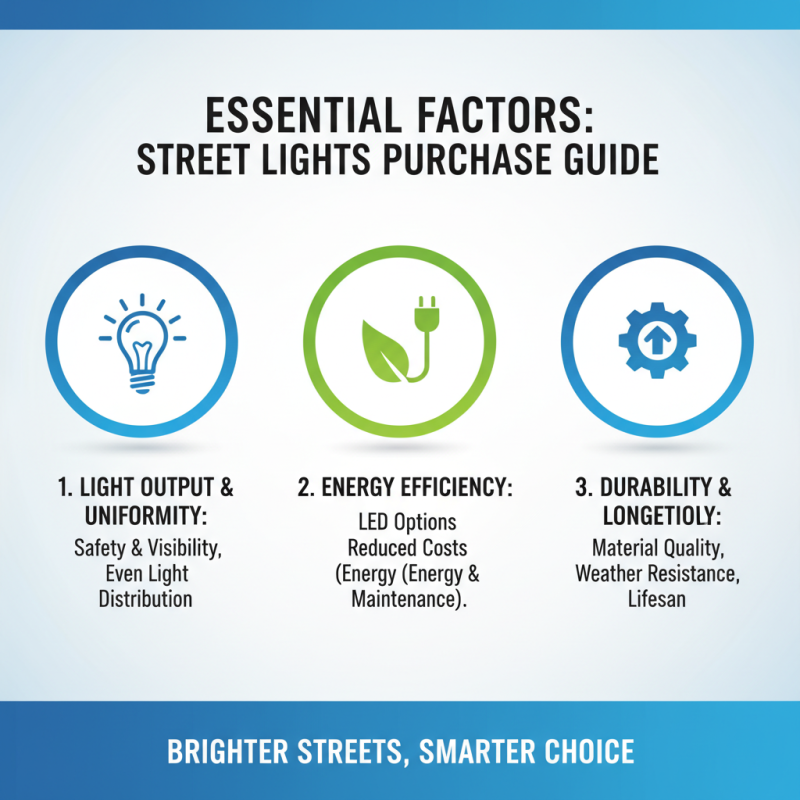
When purchasing street lights, various essential factors need attention. Light output is critical. High-quality lighting ensures safety and visibility. Casting light evenly can prevent dark spots. Consider LED options for energy efficiency. They reduce energy consumption and maintenance costs.
Durability is another important aspect. Street lights endure harsh weather. Choose materials that can withstand rain, snow, and heat. Corrosion-resistant finishes are vital for longevity. Installation processes should also be user-friendly. Complicated setups can delay project timelines and increase costs.
Finally, assess the local regulations for street lighting. Compliance with standards is crucial. Failing to meet regulations may lead to fines or project delays. Understanding the community's needs is also key. Engaging local stakeholders can provide invaluable insight. These reflections shape a successful procurement strategy.
Evaluating Different Types of Street Lighting Technologies
Street lighting technologies have evolved dramatically in recent years. With the global push for sustainability, the focus is on energy-efficient options. LED lights dominate the market, providing up to 80% energy savings compared to traditional incandescent bulbs. They also boast a longer lifespan, with an average of 25,000 hours. However, not all LED options are created equal. It's essential to evaluate the lumen output and color temperature, as these factors impact visibility and aesthetics.
Tips for selecting street lighting include analyzing the specific needs of the area. Urban locations may require brighter, more focused lighting. In contrast, rural areas might benefit from softer, ambient light that conserves energy. Reports suggest that smart lighting systems, which adjust based on real-time conditions, can reduce energy use by an additional 30%.
Solar street lights offer another option, especially in areas with abundant sunlight. These self-sufficient systems reduce installation costs as they don’t require wiring. However, their effectiveness is influenced by geographic location and weather patterns. Investing in reliable technology is crucial as unforeseen failures can lead to safety hazards and increased maintenance costs. Evaluating all these factors ensures that procurement decisions align with specific community lighting needs.
Top Street Light Buying Tips for Global Procurement Needs
| Technology Type |
Lumen Output (lm) |
Energy Efficiency (W/lm) |
Lifespan (Hours) |
Average Cost ($) |
| LED |
10000 |
0.1 |
50000 |
200 |
| HPS (High Pressure Sodium) |
9000 |
0.125 |
24000 |
150 |
| CFL (Compact Fluorescent Lamp) |
6000 |
0.15 |
10000 |
75 |
| Metal Halide |
10000 |
0.12 |
20000 |
120 |
| Solar |
8000 |
0.08 |
25000 |
300 |
Understanding Global Standards and Regulations for Outdoor Lighting
When considering outdoor lighting solutions, understanding global standards and regulations is crucial. Each country may have specific guidelines governing energy efficiency, safety, and environmental impacts. Compliance with these standards ensures the safety and usability of street lighting systems. Local regulations often affect component specifications and installation practices. Ignoring these can lead to costly repercussions.
Tips: Research local regulations before making a purchase. Familiarize yourself with the relevant standards. Consider energy-efficient options that adhere to sustainable practices. Additionally, check if the lighting systems you choose are compliant with international safety standards. Non-compliance can result in fines or project delays.
The complexity of navigating global standards can be overwhelming. Each region's regulations might vary significantly. Some countries prioritize energy-saving solutions, while others may focus on aesthetic value or durability. Regularly reviewing updates on regulations can help keep your project compliant. This often requires a commitment to ongoing learning and adaptation. Seek expert advice when uncertain. Balancing compliance and functionality is an art in itself.
Budgeting and Cost Analysis for Street Light Procurement Projects
When budgeting for street light procurement projects, understanding total costs is essential. Costs encompass not only the initial purchase price but also installation and maintenance expenses over time. An effective budget should reflect these factors. Consider potential unexpected costs. Factoring in logistics and labor can help avoid surprises later.
One tip is to conduct a thorough cost-benefit analysis. Prioritize energy-efficient options to save on long-term utility bills. These lights can have higher upfront costs but often pay off over time. Ensure all financial projections are realistic and keep updating them as new information becomes available.
Another critical aspect is evaluating your specific needs. Analyze the area to be lit and choose appropriate fixtures. Customizing your choices can optimize effectiveness and cut costs. Regularly review project outcomes and adjust future budgets accordingly. Keep records of past purchases to inform better decision-making in the future.
Sustainability and Energy Efficiency in Street Light Selection
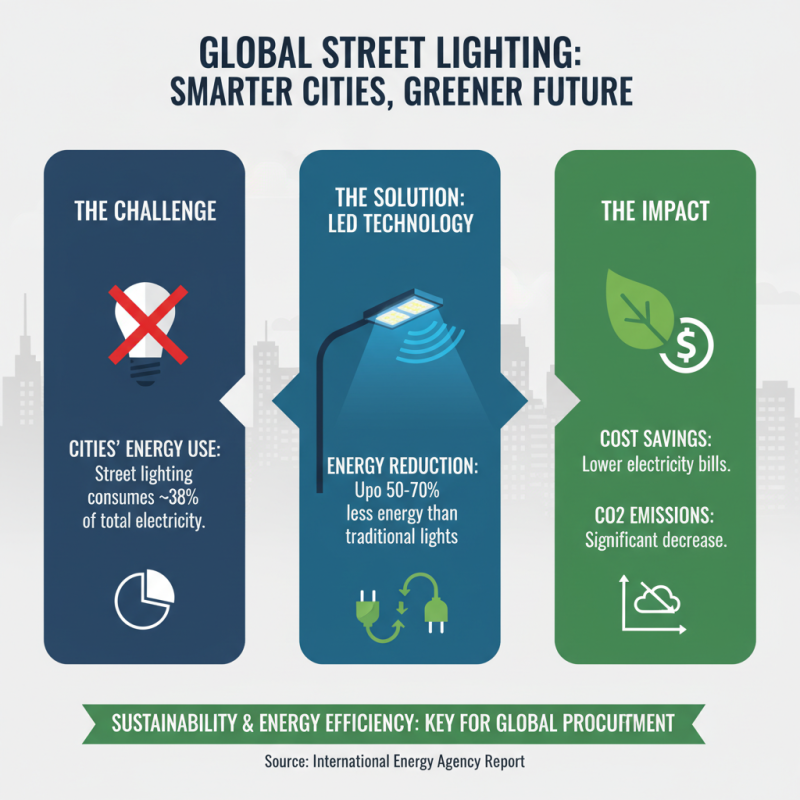
When selecting street lights for global procurement, sustainability and energy efficiency play crucial roles. According to a report from the International Energy Agency, street lighting accounts for roughly 38% of the total energy consumption in cities. Choosing energy-efficient lighting, like LED technology, can reduce energy use by about 50%-70% compared to traditional options. This transition not only lowers electricity costs but also significantly decreases carbon emissions.
Tips for procurement can enhance decision-making. Assess the lifespan of the lighting solution. Quality street lights can last up to 25 years, minimizing the need for replacements and reducing waste. Ensure that the lighting systems meet international sustainability standards. Many cities are setting targets for reducing greenhouse gas emissions. Aligning street light choices with these targets can enhance a city's commitment to environmental goals.
Think about smart lighting controls. These systems can adjust brightness based on real-time data, saving energy. Integrating sensors to detect movement allows lights to brighten when pedestrians approach, leading to safer streets. Regular audits of energy consumption can highlight areas for improvement and ensure that the street lighting system remains efficient and sustainable over time.