How to Use Red Light Therapy for Skin Health and Healing?
Red Light Therapy is gaining attention for its potential in promoting skin health. Dr. Michael Hamblin, an expert in photomedicine, states, “Red light can stimulate various biological processes in the skin.” This therapy uses low-level wavelengths to enhance healing and rejuvenation.
Recent studies suggest that Red Light Therapy can improve skin texture, reduce wrinkles, and promote collagen production. Users report visible changes after just a few sessions. The excitement around this therapy is palpable, yet it’s essential to approach it with realism. Results can vary from person to person.
While many celebrate the benefits, some are skeptical. They question the effectiveness in severe skin conditions. Individual experiences can create mixed results; therefore, understanding the limitations is crucial. Embracing Red Light Therapy requires research and a balanced view. It’s not a miracle cure but can be a valuable tool in your skincare regimen.
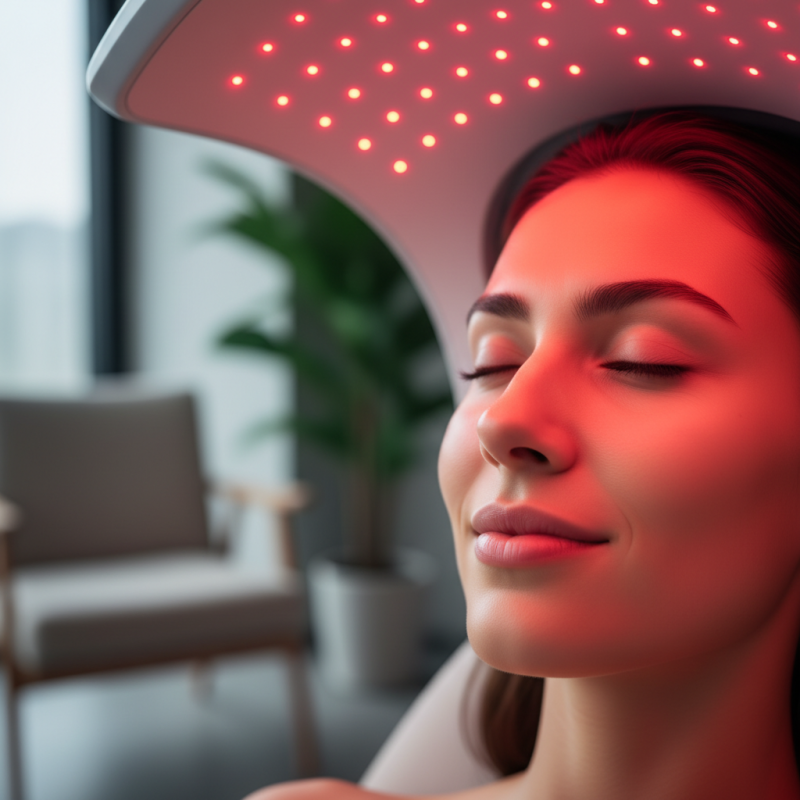
Understanding Red Light Therapy and Its Benefits for Skin Health
Red light therapy has gained attention for its potential benefits in skin health. This non-invasive treatment uses specific wavelengths of light to penetrate the skin. By stimulating cellular processes, it aids in healing and rejuvenation. Many people report improvements in skin texture and tone after consistent use.
The therapy promotes collagen production, which is vital for youthful skin. Enhanced blood circulation is another significant benefit. Users often notice a reduction in fine lines and wrinkles. However, not all experiences are perfect. Some may feel uncertain about incorporating this therapy into their routine. It's essential to evaluate personal skin needs and consult with a professional if necessary.
Additionally, results can vary significantly. Factors like skin type and treatment consistency play crucial roles. Some individuals may need time to see noticeable improvements. It's vital to remain patient and realistic about expectations. Not every session will yield immediate outcomes, leading to potential frustration. Embracing the process is key to benefiting from red light therapy.
Mechanism of Action: How Red Light Affects Skin Cells and Tissue Repair
Red light therapy is gaining popularity for its benefits to skin health and healing. The mechanism of action involves specific wavelengths of red light penetrating the skin. This triggers cellular processes that boost collagen production, improve circulation, and reduce inflammation. Skin cells absorb this light, which stimulates mitochondria, the powerhouse of cells. More energy means faster repair and rejuvenation of damaged tissues.
To get the most from red light therapy, consistency is key. Regular sessions lead to better results. Start with shorter sessions, around 10 to 15 minutes. Gradually increase the duration as your skin adapts. Make sure the area is clean and free of products to enhance absorption.
Ensure you pay attention to your skin's response. Some might experience redness or irritation, which is normal at first. Listen to your skin. If irritation persists, reduce the session length. Combining therapy with a good skincare routine can amplify benefits. Always protect your eyes during the treatment for safety.
Recommended Protocols: Frequency and Duration of Red Light Sessions
When using red light therapy for skin health, proper frequency and duration matter. Most experts recommend starting with short sessions. Aim for 10 to 20 minutes, three to five times a week. This routine allows your skin to heal without overstimulation.
Tips: Monitor your skin’s response. If irritation occurs, reduce the frequency. Some see results quicker. Others may need more time. Patience is key. Consistency is also important.
It’s vital to create a comfortable environment for your sessions. Dim the lights and relax. Consider using your therapy time for meditation or light stretching. These practices enhance the overall experience and promote healing. Adjust your schedule based on personal preferences. Life can be busy, and not every session will be perfect. Reflecting on your routine is essential for progress.
How to Use Red Light Therapy for Skin Health and Healing? - Recommended Protocols: Frequency and Duration of Red Light Sessions
| Skin Condition | Recommended Frequency | Session Duration | Treatment Duration (Weeks) |
| Acne | 3-5 times per week | 10-20 minutes | 4-8 weeks |
| Wrinkles | 3-4 times per week | 15-30 minutes | 8-12 weeks |
| Scarring | 2-4 times per week | 10-25 minutes | 6-10 weeks |
| Skin Rejuvenation | 3-5 times per week | 20-30 minutes | 8-12 weeks |
| Eczema | 2-3 times per week | 10-15 minutes | 4-8 weeks |
Choosing the Right Device: A Guide to Red Light Therapy Tools
When choosing a red light therapy device, consider its wavelength. Devices with wavelengths between 600 to 650 nanometers are effective for skin health. Look for tools that specify this range. It is essential. A device should also emit consistent light. Inconsistent light can disrupt the treatment process.
The size of the device matters too. Smaller devices are more portable but may take longer to cover larger areas. Larger panels treat broader areas quickly. However, they can be cumbersome. Think about your needs.
Pay attention to user reviews. They can reveal insights about effectiveness. Some devices promise quick results but may not deliver. Testing different devices can help you find the right fit. Experimentation may lead to discovering your optimal choice.
Potential Risks and Considerations for Safe Usage of Red Light Therapy
Red light therapy is gaining attention for its potential benefits on skin health. However, there are important risks and considerations to acknowledge. According to research published in the Journal of Clinical and Aesthetic Dermatology, improper usage may lead to skin irritation or burns. Ensure your device emits the correct wavelength, typically between 600-900 nanometers, for optimal effects without harm.
Using red light therapy for extended periods also poses risks. Studies indicate that overexposure can weaken skin cells, causing premature aging. It is crucial to follow guidelines regarding session duration. Two to three sessions per week, lasting no longer than 20 minutes, is often recommended.
Tips: Always perform a patch test before full application. Monitor your skin’s reaction closely, especially during initial sessions. Consult with a qualified professional if unsure about proper usage. It’s tempting to want quick results, but patience is vital to avoid damaging your skin. Remember, not every treatment works for everyone. Adjust accordingly and listen to your skin’s needs.