Chat with us, powered by LiveChat

How to Get a CoC Certificate for EVs in Netherlands 2026?

Getting a Coc Certificate Electric Vehicle Netherlands can feel simple until one missing document delays registration. In 2026, imported EV owners must connect the vehicle’s identity, European type approval, and registration evidence. The Certificate of Conformity, or CoC, confirms that the vehicle matches approved EU technical standards. It usually includes the VIN, vehicle category, mass, emissions data, power details, and approved tyre sizes.

“Check the VIN before you check the paperwork,” says Lars van den Berg, a Dutch vehicle-compliance consultant specialising in electric imports. “One incorrect character can create an avoidable registration problem.” His warning reflects a common practical mistake. Sellers may send a scan with unclear text, an incomplete page, or a document belonging to another vehicle. Small details matter.

For a Dutch registration process, buyers should request the original CoC from the manufacturer or authorised dealer. They should compare its VIN with the dashboard and purchase invoice. The RDW may also require additional inspection or documents, especially for vehicles imported from outside the European Union. Battery capacity, charging equipment, and software features may not appear fully on the CoC, so supporting records can still be useful.

Do not rely on assumptions.

This guide explains where to request the certificate, what information it contains, and how to respond when it is missing. Requirements can change, and manufacturer procedures differ. That is why owners should confirm current instructions with RDW and the vehicle manufacturer before transporting the EV. A careful check may take one afternoon. Fixing an incorrect application can take much longer.
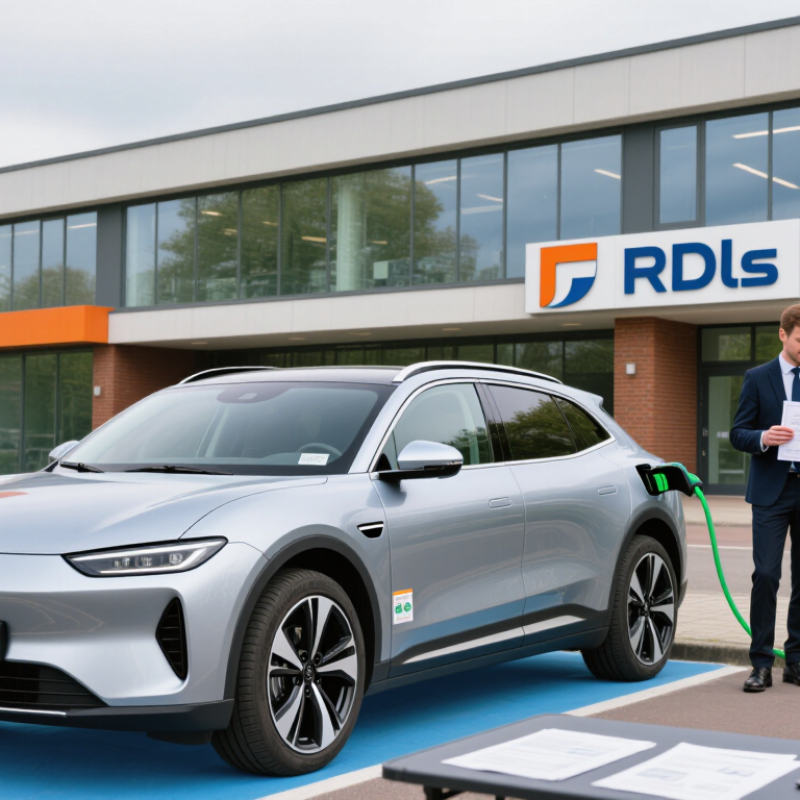
How to Get a CoC Certificate for EVs in Netherlands 2026?

What a CoC Certificate Means for EVs in the Netherlands

A Certificate of Conformity, or CoC, is an official document for an electric vehicle. It confirms that the vehicle matches an approved European type. The document normally includes the VIN, battery details, power output, emissions data, mass, dimensions, and approved wheel sizes. For an EV, the emissions figure may be zero, but other technical fields still matter.

In the Netherlands, the CoC helps the RDW compare the vehicle with its European approval records. It can make registration of an imported EV more straightforward. Keep the original document with the vehicle file. A clear scan is useful, but authorities may request an original or verified copy. The CoC is not proof of ownership. It is not a warranty, either. Small distinction, important in practice.

You can usually obtain the CoC from the vehicle manufacturer, authorised importer, or seller. Ask for it before completing the purchase, especially when importing a used EV. Check that the VIN on the certificate matches the metal plate and registration papers. A missing CoC does not always stop registration, but it may cause extra inspections, delays, or requests for technical evidence. Information can also differ after modifications, battery replacement, or a non-EU import. In those cases, contact the RDW before transport. That step may feel unnecessary, yet it can prevent an expensive surprise.


Which EVs Need a CoC and Who Can Issue It

How to Get a CoC Certificate for EVs in Netherlands 2026?

A Certificate of Conformity, or CoC, confirms that an electric vehicle meets approved European technical standards. It is usually needed when registering a new EV or importing a used EV from another EU country. The document identifies the vehicle by its VIN and lists details such as battery type, power output, mass, emissions, and safety approval numbers. Keep the original digital or paper copy ready.

Most EU-type-approved passenger EVs need a CoC. This includes privately imported cars, company vehicles, and nearly new electric vehicles arriving from another member state. A replacement may also be required when the original document is missing or contains incorrect data. Older vehicles, modified EVs, and imports from outside the EU may not have a valid EU CoC. That assumption is convenient, but not always right.

Only the vehicle manufacturer or its authorised European representative can issue an official CoC. A dealer may request it, but a sales invoice is not a substitute. The Dutch vehicle authority can check the vehicle and provide an individual approval route when no CoC exists; it does not normally create the manufacturer’s original certificate. Bring the VIN, purchase papers, foreign registration document, and technical evidence to the appointment. Check every number carefully. A small battery or weight error can delay registration. Even experienced importers sometimes overlook software-related specifications.

How to Gather the Documents for a Dutch EV CoC Application

For a 2026 Dutch EV CoC application, document preparation should start with the vehicle identification number, or VIN. Check that the VIN matches the vehicle, invoice, registration papers, and CoC. One incorrect digit can delay registration. The CoC should show European type approval details, vehicle mass, battery information, power output, and zero-emission data. Request the original document or a verified digital copy.

Keep your identity document, purchase invoice, and foreign registration certificate ready. Imported vehicles may also require customs evidence and transport records. If the vehicle is leased, include written permission from the legal owner. Documents in another language may need an accepted translation. Confirm current requirements with the Dutch vehicle authority, because procedures can differ between EU and non-EU imports.

Create one clear file for every document. Use readable scans. Name files with the VIN and document type. A common mistake is submitting an old registration certificate after the vehicle specifications changed. Check the battery capacity, axle weights, and vehicle category carefully. Small details matter. If no CoC is available, a technical inspection or individual approval may be necessary. I would not rely on an online checklist alone; official requirements can change, and some cases need extra evidence. Keep the originals available until the Dutch registration process is complete.

Step-by-Step Process to Request and Verify the Certificate

How to Get a CoC Certificate for EVs in Netherlands 2026?

A Certificate of Conformity (CoC) confirms that an electric vehicle meets its approved European type specifications. The document usually comes from the vehicle manufacturer, not the Dutch registration authority. Ask the seller for the original CoC before purchasing the EV. Check the VIN carefully. It must match the vehicle, registration documents, and dashboard plate.

If the CoC is missing, contact the manufacturer’s customer service or an authorised representative. Provide the VIN, proof of ownership, vehicle model, and production details. Some requests require a fee. Imported EVs may need extra evidence, especially when their specifications differ from European approval standards. Keep every email and receipt.

Small errors matter.

When the certificate arrives, compare its VIN, variant, version, mass, battery details, emissions data, and type-approval number. The document may be paper or digitally issued, depending on the source. A suspicious layout, unclear issuer, or inconsistent number deserves verification. Ask the issuer to confirm authenticity in writing. You can also discuss the document with the RDW before a registration appointment.

A CoC does not always guarantee immediate registration. Modifications, accident repairs, missing data, or non-European specifications can trigger additional checks. The process is not perfectly uniform. Requirements may change in 2026, so confirm current instructions directly with the RDW and the authorised issuer. Do not rely only on a translated copy. Keep the original safely.

What to Do If the CoC Is Missing, Incorrect, or Rejected

How to Get a CoC Certificate for EVs in Netherlands 2026?

A Certificate of Conformity, or CoC, confirms that an electric vehicle matches its EU type approval. In the Netherlands, problems often appear during registration. The document may be missing, contain the wrong battery details, or be rejected because its data does not match the vehicle identification number.

Check the VIN carefully. One digit can stop the application. Contact the vehicle manufacturer, authorised importer, or seller and request an original or duplicate CoC. Provide the VIN, purchase invoice, registration papers, and a clear photo of the vehicle plate. Ask for written confirmation of the battery capacity, mass, emissions classification, and approval number. Small errors matter.

If the CoC is incorrect, request a corrected version rather than editing it yourself. Altered documents can create serious verification problems. If the Dutch registration authority rejects the certificate, ask for the exact reason in writing. Compare each field with the vehicle records, especially model code and production date. A second inspection may be required when no valid EU CoC exists. This can involve technical checks and additional documents.

The process is not always tidy. Sellers may promise a document without checking its accuracy. Keep every email, invoice, and inspection report. A careful file can explain the vehicle’s history when the first submission fails. Mistakes happen, but guessing usually makes them harder to repair.

How to Get a CoC Certificate for EVs in the Netherlands in 2026? — What to Do If the CoC Is Missing, Incorrect, or Rejected
Situation What the CoC Confirms Recommended Action Documents and Evidence Likely Route Expected Result
New EV with a valid EU CoC That the vehicle conforms to its approved EU type and lists key identification, technical, mass, emissions, and safety data. Check that the VIN, vehicle type, variant, version, battery or powertrain details, masses, and dimensions match the vehicle before registration. Original CoC, purchase or ownership document, valid identification, and any required import or tax documents. Standard registration Registration can proceed if the vehicle and paperwork pass the authority’s checks.
Used EV imported from another EU or EEA country Evidence that the vehicle was built under an EU type approval, even if it has already been registered abroad. Obtain the original CoC or an officially issued duplicate. Arrange the required inspection and submit the foreign registration documents. CoC or duplicate, foreign registration certificate, purchase invoice or proof of ownership, identification, and import-related documents. Inspection and registration review Registration is normally possible when the VIN and technical data are consistent.
CoC is missing No document is available to demonstrate the vehicle’s EU type-approval conformity. Request a duplicate or replacement CoC from the vehicle’s original manufacturer or authorized national representative. Do not alter or recreate the document. VIN, foreign registration papers, proof of ownership, purchase invoice, and photographs or technical records if requested. Duplicate CoC first A valid duplicate may restore the normal registration route. Without it, an individual approval procedure may be required.
CoC contains incorrect information The document does not accurately describe the vehicle’s approved configuration. Compare the CoC with the VIN plate, vehicle, registration papers, and any approved modifications. Ask the issuing party for a corrected CoC. Incorrect CoC, photographs of identification plates, registration certificate, technical specifications, and evidence of factory configuration. Correction required Registration may be paused until the corrected data is verified and accepted.
VIN or identity mismatch The CoC must relate to the exact vehicle being presented for registration. Stop the application and resolve the mismatch with the issuing party and the registration authority. Never submit a CoC belonging to another vehicle. Vehicle identification number, VIN plate photographs, CoC, foreign registration documents, sales invoice, and ownership evidence. Identity verification Approval depends on a confirmed match between the vehicle and all submitted documents.
Vehicle has non-standard modifications A CoC generally describes the approved vehicle configuration and may not cover later changes. Declare modifications such as altered suspension, body structure, lighting, wheels, charging equipment, or high-voltage components before inspection. Modification invoices, component certificates, engineering reports, installation records, photographs, and the original CoC. Additional technical assessment The vehicle may need separate testing or an individual approval decision.
EV imported from outside the EU type-approval system A foreign conformity document may not be equivalent to an EU CoC. Ask the Netherlands vehicle registration authority whether the vehicle qualifies for an individual approval route. Prepare the vehicle for technical inspection. Foreign conformity documents, ownership and import documents, technical specifications, safety evidence, battery information, and photographs. Individual approval likely Registration depends on compliance with applicable Dutch and European technical requirements.
CoC is rejected during registration The authority has identified a data, authenticity, conformity, or vehicle-identity problem. Request the rejection reason in writing. Correct the specific issue, obtain an updated document, and resubmit or follow the available objection or review process. Rejection notice, submitted CoC, inspection report, correspondence with the issuing party, and corrected technical evidence. Rectification or review The case may be approved after correction, or redirected to an individual approval procedure.
CoC is unavailable and no duplicate can be obtained There is no standard conformity document supporting EU type-approval registration. Discuss an individual approval inspection with the Netherlands vehicle registration authority before paying for transport or modifications. All available ownership, import, identity, safety, dimensions, mass, lighting, braking, battery, and technical documents. Alternative approval route Approval is not automatic and may require testing, corrections, additional evidence, or refusal.
Before submitting the application All vehicle and document data should be consistent and traceable. Use the VIN as the primary reference. Verify dates, masses, dimensions, axle loads, powertrain data, and the vehicle’s actual configuration. CoC, VIN plate, foreign registration certificate, ownership evidence, purchase invoice, inspection appointment details, and import documents. Pre-check recommended Early detection of errors can reduce delays, repeat inspections, and additional administrative costs.
Fees and processing time Costs and timing depend on the registration route and whether extra testing is needed. Check the current official tariff and appointment availability before applying. Budget separately for a duplicate CoC, inspection, translation, repairs, or individual approval if applicable. Application details, inspection requirements, payment confirmation, and any quotation or fee schedule issued by the relevant authority. Case-dependent There is no single universal fee or processing time for every imported EV.
Important: A CoC is a conformity document, not proof of ownership and not a substitute for the vehicle registration process. The final decision, inspection requirements, fees, and available appeal or review options depend on the vehicle’s origin, approval status, technical condition, and the current rules applied by the Netherlands vehicle registration authority in 2026.