High Temperature Thermistor Applications and Benefits for Buyers?
High Temperature Thermistor technology plays a vital role in various industries today. These devices are essential for precise temperature measurements in extreme conditions. Understanding their applications and benefits can greatly help buyers make informed decisions.
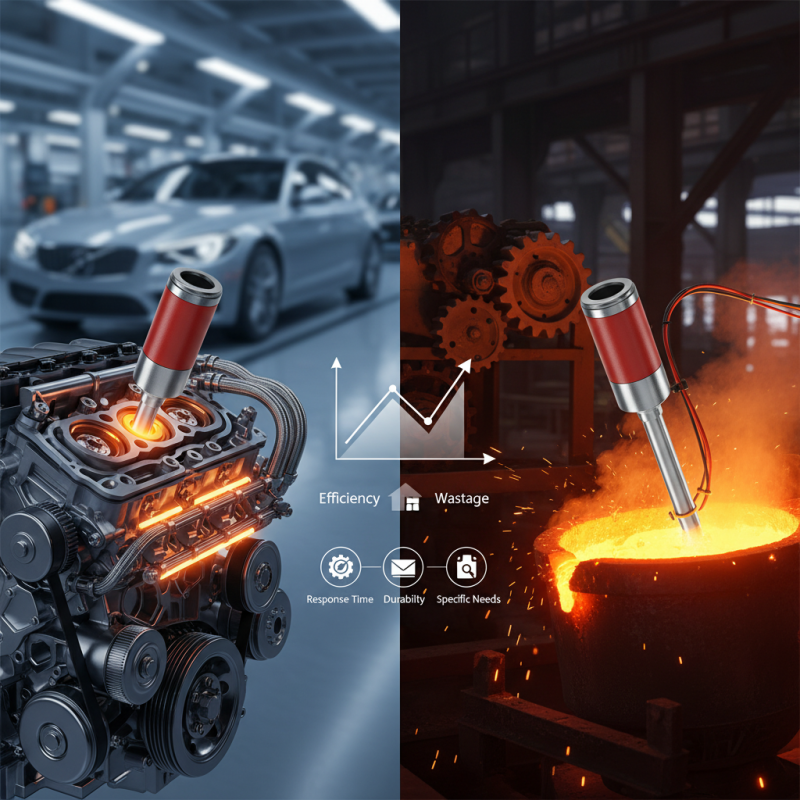
In the automotive sector, High Temperature Thermistors are used in engine monitoring systems. They ensure optimal performance and prevent overheating. In manufacturing, these sensors contribute to process control in high-temperature environments. Their accuracy reduces wastage and enhances efficiency.
However, not all High Temperature Thermistors are created equal. Buyers must consider factors such as response time and durability. Some options may excel in certain applications, while disappointing in others. It is crucial to assess specific needs before making a purchase, ensuring the right fit for intended purposes.
High Temperature Thermistors: An Overview of Functionality
High temperature thermistors play a crucial role in various industries. These sensors are designed to operate reliably at elevated temperatures, measuring resistance changes due to temperature fluctuations. Their primary functionality lies in providing accurate readings, even in extreme environments. This precision is vital in applications such as automotive, aerospace, and industrial processes.
One key benefit is their fast response time. Users can expect quick feedback for temperature changes. This is particularly important in systems that require immediate adjustments. High temperature thermistors are often more stable than other temperature sensors, ensuring consistent performance over time. They also offer a compact size, making them easy to integrate into small spaces.
**Tip**: Always assess the environmental conditions where the thermistor will be placed. Ensure that it can handle the specific temperature range required for your application.
While high temperature thermistors are reliable, they can also exhibit some temperature drift over time. Regular calibration may be necessary to maintain accuracy. Users should be prepared to monitor and potentially adjust their systems to counteract these drifts.
**Tip**: Consider implementing a routine maintenance schedule for your thermistor installations. This can prolong their lifespan and ensure optimal performance.
High Temperature Thermistor Applications and Benefits for Buyers
| Application | Temperature Range (°C) | Benefits |
| Industrial Oven Monitoring | -40 to 300 | Accurate temperature measurement to ensure optimal cooking. |
| Automotive Engine Management | -40 to 250 | Improved engine performance and emissions control. |
| Aerospace Applications | -55 to 300 | Reliable operation in extreme environments. |
| HVAC Systems | -40 to 200 | Enhanced energy efficiency and comfort control. |
| Home Appliances | -20 to 250 | Increased reliability and product lifespan. |
Common Applications of High Temperature Thermistors in Industry
High temperature thermistors play a critical role in various industries. Their accuracy and reliability make them ideal for environmental monitoring, automotive applications, and aerospace. In the automotive sector, they ensure optimal engine performance by accurately measuring the temperature in harsh conditions. According to market research, the automotive thermistor market is projected to grow at a CAGR of 8.5% through 2026, driven by the demand for efficient temperature sensors.
Manufacturers also prioritize high temperature thermistors in industrial applications. These sensors are used in equipment requiring precise thermal management, such as in the manufacturing of semiconductors and electronics. High temperature thermistors can operate in environments exceeding 200°C. This capability significantly enhances the reliability of systems in critical processes. For instance, the semiconductor industry often experiences high failure rates without accurate temperature sensing, making these thermistors essential.
Despite their advantages, challenges in calibration and installation still exist. Improperly calibrated sensors can lead to significant errors in measurements, impacting overall system performance. It’s crucial for buyers to consider the installation environment and calibration frequency when selecting high temperature thermistors. Understanding these details can enhance decision-making and ensure optimal system functionality in demanding applications.
Key Benefits for Buyers Considering High Temperature Thermistors
High temperature thermistors provide unique advantages for various applications. These sensors effectively measure temperatures beyond typical limits. They can withstand extreme conditions while maintaining accuracy. This reliability makes them essential in several industries, including aerospace, automotive, and manufacturing. Buyers entering these markets should consider the specific requirements of their applications.
One key benefit lies in their rapid response time. High temperature thermistors can detect changes quickly. This feature allows for real-time monitoring, which is critical in processes that demand precision. Additionally, their durability ensures long-term performance, reducing the need for frequent replacements. However, potential buyers should reflect on calibration needs and installation challenges. Understanding the environment in which these thermistors operate is crucial.
The adaptability of high temperature thermistors also stands out. They can be customized for different uses. From monitoring engine temperatures to controlling industrial processes, their versatility is valuable. Yet, buyers should be cautious about selecting the right specifications. Inconsistent quality across products can lead to performance issues. Thorough research and expert consultation can mitigate these risks.
Factors to Consider When Selecting High Temperature Thermistors
When selecting high-temperature thermistors, several critical factors should be evaluated. Firstly, the operating temperature range is paramount. Many high-temperature thermistors can function well above 150°C, with some reaching limits near 300°C. Understanding the specific application’s temperature profile helps in choosing an appropriate thermistor. Failure to assess this can lead to inaccurate readings and potential equipment malfunction.
Another important aspect is sensitivity and accuracy. Quality thermistors have a temperature coefficient that significantly influences their performance. Data indicates that some thermistors can provide a sensitivity of up to 4% per degree Celsius. Buyers must ensure that the chosen thermistor meets their calibration needs. Inaccurate sensors can cause costly errors in monitoring systems.
Lastly, the physical form factor and mounting type should not be overlooked. Thermistors come in various shapes, including bead or disk forms. The choice depends on space constraints and installation methods. Ignoring these details can lead to installation challenges, impacting overall system efficiency. Balancing these considerations leads to optimal performance and reliability.
Future Trends in High Temperature Thermistor Technology and Applications
High-temperature thermistors are evolving rapidly. They offer precision in extreme environments. Industries rely on these sensors for reliability. Their applications include aerospace, automotive, and industrial processes. As manufacturers innovate, the technology behind thermistors is becoming more sophisticated.
Emerging trends focus on enhanced materials. New ceramics and polymers can withstand higher temperatures with better sensitivity. This means more accurate readings in critical situations. Miniaturization is also important. Smaller sensors can fit into tighter spaces without sacrificing performance. This opens doors for new applications in restricted areas.
Tips: When selecting a thermistor, consider the operating temperature range. Ensure it matches your application needs. Pay attention to response time; faster sensors provide real-time monitoring. Understanding calibration processes is crucial for maintaining accuracy over time. Choose suppliers who provide technical support for installation and usage.