Chat with us, powered by LiveChat

How to Choose Power Generators in 2026?

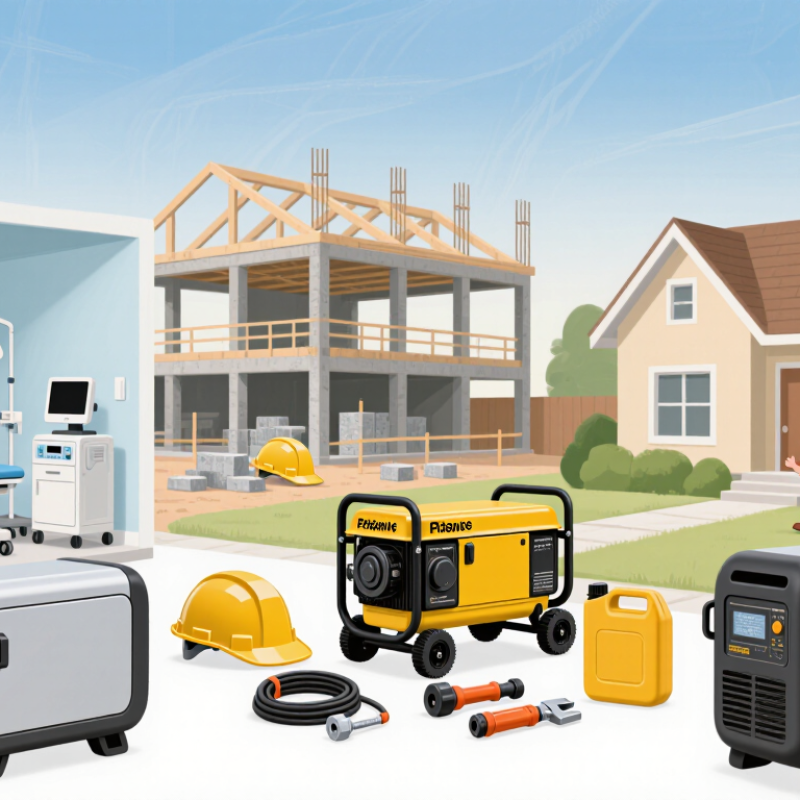
Choosing Power Generators in 2026 requires more than comparing wattage and prices. The right unit must match your actual load, operating environment, fuel access, and maintenance capacity. A small clinic may need stable voltage for sensitive medical equipment. A construction site may prioritize portability, dust protection, and heavy starting loads. A home user may care more about quiet operation and automatic transfer during outages.

Aaron Jagdfeld, former CEO of Generac Power Systems, has emphasized the importance of energy resilience: “Reliable power is no longer a luxury; it is a necessity.” That idea remains relevant, although reliability means different things for every buyer. A 20-kilowatt diesel generator may protect a workshop, but it can be excessive for a small residence. A compact inverter generator may run quietly beside a campsite, yet struggle with a large air conditioner.

This guide examines how to choose Power Generators with practical judgment. It considers continuous and standby ratings, starting watts, fuel efficiency, emissions requirements, noise levels, enclosure design, and service support. It also explains why professional load calculations matter before purchase. A specification sheet can look convincing. It may still hide important limitations.

Buyers should check manufacturer documentation, warranty terms, installation requirements, and local electrical standards. They should also ask who will service the generator after purchase. The cheapest option may become expensive when parts are unavailable or maintenance is ignored. Good selection is not about finding the biggest machine. It is about choosing dependable capacity without paying for power you will never use.
How to Choose Power Generators in 2026?

Power Generator Basics: Types, Uses, and Core Components

How to Choose Power Generators in 2026?

Choosing a power generator in 2026 starts with the intended load, location, and operating time. Portable generators suit tools, temporary work, and emergency household circuits. Standby units support buildings through automatic transfer equipment. Inverter generators produce cleaner, quieter power for sensitive electronics, but their output may limit heavy machinery. Fuel choice also matters. Diesel handles long industrial duty, while gasoline offers easier short-term mobility. Dual-fuel models add flexibility, though their controls require careful inspection.

Core components determine reliability more than appearance. The engine creates mechanical power, while the alternator converts it into electricity. A voltage regulator helps protect connected equipment from unstable output. The control panel displays voltage, frequency, running hours, and warning conditions. Cooling systems prevent overheating during extended operation. A properly sized fuel tank, muffler, battery, and circuit breaker also affect daily performance. Do not ignore grounding and transfer-switch requirements. Local electrical rules and a qualified electrician should guide permanent installations.

A useful selection begins with a load list, not a guessed wattage. Record starting watts for pumps, compressors, and refrigerators. Then add running watts from essential devices. Leave reasonable capacity for motor surges and future needs. I once underestimated startup demand on a small pump; the generator repeatedly stalled. That mistake was avoidable. Noise, ventilation, service access, and weather protection deserve equal attention. No generator is perfect. A quiet portable unit may struggle with continuous industrial loads, while a powerful diesel system can be excessive for occasional home use. Check maintenance intervals, fuel storage limits, safety shutoffs, and documented testing before purchase.


Assessing Your Power Needs: Load, Runtime, and Fuel Requirements

How to Choose Power Generators in 2026?

Generator selection should begin with a measured load, not an attractive wattage label. The U.S. Energy Information Administration reported average household electricity use of about 886 kWh per month in 2023. That equals roughly 1.2 kW continuously, but household peaks can be several times higher. Refrigerators, pumps, compressors, and heating equipment create starting surges. Record running watts and starting watts separately. Add essential circuits first. Leave a practical reserve of 20–25 percent for uncertain loads and future equipment.

Runtime depends on load, tank size, and fuel efficiency. The International Energy Agency expects global electricity demand to grow by about 4 percent annually through 2026, increasing pressure on backup systems in homes and small facilities.

A generator running at 25 percent load may consume fuel inefficiently. Oversizing can be wasteful too. My first estimate is often too generous.

A real load test is better than guesswork. Measure demand with a power meter during normal operation, then simulate the largest motor starting.

Fuel planning should cover the outage you can reasonably face, plus delivery delays. For example, a 5 kW average load over 24 hours requires 120 kWh of energy before conversion losses. Calculate daily fuel use from the manufacturer’s tested consumption curve, not idle claims. Store fuel safely and follow local fire and environmental rules. Include cold weather, ventilation, noise, maintenance intervals, and fuel aging in the decision. Small details matter. Recheck the numbers before purchase.

Comparing Generator Technologies, Power Ratings, and Efficiency

How to Choose Power Generators in 2026?

Generator selection now depends on technology, power ratings, and real operating efficiency. The International Energy Agency’s Electricity 2024 report projects data-centre electricity demand could exceed 1,000 TWh in 2026. That growth increases pressure on reliable backup systems.

Compare the duty rating before comparing prices. ISO 8528 separates standby, prime, and continuous applications. A 500 kW standby generator is not equivalent to a 500 kW prime-rated unit. Prime systems handle changing loads, while standby units operate during outages. Calculate motor starting current, future expansion, altitude, temperature, and the lowest expected load. Oversizing can reduce fuel efficiency.

Technology matters too. The U.S. Environmental Protection Agency’s Catalog of CHP Technologies reports electrical efficiencies of roughly 28–42% for reciprocating engines, 25–40% for gas turbines, and 25–35% for microturbines. Actual results depend on fuel, maintenance, load profile, and heat recovery. Diesel systems often respond quickly, but fuel storage and long idle periods deserve scrutiny. Gas systems may offer cleaner combustion, yet supply reliability needs verification.

A neat spreadsheet can still mislead. Site testing is essential. Noise, emissions controls, synchronization, and service access may change the best choice. Efficiency at 30% load matters more than a perfect full-load figure when demand fluctuates.

Evaluating Safety Features, Noise Levels, Emissions, and Maintenance

How to Choose Power Generators in 2026?

Choosing a power generator in 2026 requires more than checking output capacity. Safety features, noise levels, emissions, and maintenance costs affect daily reliability. Look for overload protection, automatic shutdown, stable grounding, and clear fuel warnings. A covered control panel can also reduce accidental contact during rain. Test the emergency stop before installation, not during a crisis.

Noise matters in homes, campsites, clinics, and work areas. Compare measured decibel ratings at a stated distance, because testing methods vary. A low-noise enclosure may help, but ventilation can still produce a noticeable hum. Emissions information should be easy to verify through current certification documents. Choose the cleanest suitable fuel system for your location and operating pattern. I once underestimated nighttime noise by trusting a brochure. That mistake was uncomfortable, and expensive to correct.

Tips: Inspect oil, filters, cables, and exhaust parts before every extended run. Keep a maintenance log with operating hours and fault codes. Schedule service before dusty seasons or heavy winter use. Store fuel safely and follow local requirements. Do not ignore small vibrations; they may signal loose mounts or developing mechanical damage. Leave enough clearance around the exhaust, even when space feels limited. A generator that looks efficient on paper may demand frequent cleaning in real conditions.

How to Choose Power Generators in 2026?

The chart compares representative generator categories using a 0–100 suitability index. Higher scores indicate stronger performance for safety coverage, lower operating noise, lower local exhaust emissions, and simpler maintenance.

The benchmark reflects typical market specifications: inverter generators commonly operate around 50–65 dB(A), conventional gasoline units around 65–75 dB(A), and diesel units around 65–75 dB(A). Battery power stations produce no local exhaust emissions and require no engine oil changes. Actual performance varies by output rating, load, fuel, ventilation, and operating conditions.

Selecting, Installing, and Operating a Generator in 2026

How to Choose Power Generators in 2026?

Choosing a generator in 2026 starts with the installation site, not the catalogue. List essential loads, including refrigeration, lighting, pumps, medical equipment, and communication devices. Record both running watts and starting watts for each appliance. A refrigerator may begin with a sharp electrical surge. Heating pumps can demand even more. For sensitive electronics, choose stable output and confirm compatibility with equipment manuals. I would not size a unit by adding every appliance blindly. That wastes fuel and can still miss startup demand. No load estimate is perfect.

Installation and Safety Installation should involve a licensed electrician and follow local electrical, fuel, and noise requirements. A transfer switch helps prevent dangerous back-feeding into utility lines. Keep the generator outdoors, away from doors, windows, and ventilation openings. Carbon monoxide is invisible and can build quickly. Place the unit on a level, dry surface with clear cooling airflow. Use weather protection without blocking the exhaust. Store fuel in approved containers, away from heat and ignition sources. In practice, temporary setups often become permanent, and small shortcuts then create serious risks.

Testing and Ongoing Maintenance Before an outage, test the system under a realistic load. Check oil, filters, cables, battery condition, and warning lights. Run it briefly each month, recording unusual noise or vibration. During operation, keep children away and refuel only after shutdown and cooling. Never use a generator in a garage, basement, or enclosed shelter. The manual matters. Some advice ages badly. Review the plan yearly as appliances, fuel costs, and household needs change.