How to Choose the Best Vehicle Power Inverter for Your Needs?
Choosing the right vehicle power inverter is crucial for anyone planning to use power tools or charge devices on the go. A vehicle power inverter converts your car's DC power into AC power, allowing you to run various electronics. However, with so many models available, it can be overwhelming to find the best fit for your needs.
Consider features like wattage, number of outlets, and portability. A high-wattage inverter can power more devices simultaneously. Some users may overlook the importance of the inverter's surge power capability, which is essential for starting high-demand appliances. Additionally, a compact design might be beneficial for limited space in your vehicle.
Reflect on your intended use. Will you be camping, working on the road, or just charging devices? These details help narrow down your options. Remember, not every inverter is suitable for everyone. You might find one feature appealing and later discover it lacks in another area. Identify what matters most for your lifestyle to make an informed decision.
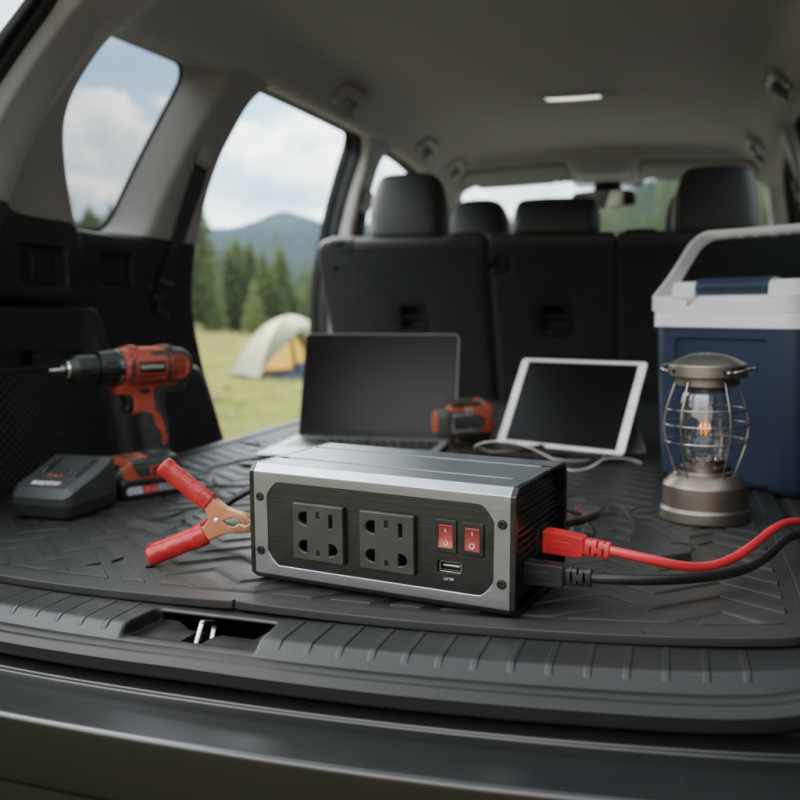
Understanding Vehicle Power Inverters: Types and Uses
Vehicle power inverters play a crucial role in converting DC power from your vehicle's battery to AC power. This allows you to run various electronic devices on the road. Understanding the different types of inverters can help you choose the one that best fits your needs.
There are two main types: modified sine wave inverters and pure sine wave inverters. Modified sine wave inverters are often cheaper but may cause issues with sensitive electronics. They produce a square-like wave and can lead to overheating for some devices. On the other hand, pure sine wave inverters are ideal for powering complex equipment. They provide a clean, stable electricity output that is more compatible with various devices.
Many drivers overlook the power capacity when selecting an inverter. It's important to know the wattage requirements of your devices. Failing to consider this could lead to insufficient power supply or damage to your equipment. Additionally, think about the inverter size and portability. A bulky model might not fit well in your vehicle. Always take time to evaluate your specific needs, as this can make a big difference in your on-the-road experience.
Key Factors to Consider When Choosing a Power Inverter for Vehicles
Choosing a vehicle power inverter requires careful consideration. You need to assess your power needs first. Think about the devices you plan to use. Will you power a laptop or multiple gadgets at once? This will influence the wattage required. Look for inverters with at least 150% of your total wattage for safety.
Next, consider the inverter type. Pure sine wave inverters are ideal for sensitive electronics. They offer cleaner power but may be more expensive. Modified sine wave inverters are cheaper but can cause issues with some devices. Understand these differences to make a wise choice.
Don't overlook portability. If you intend to move the inverter frequently, go for a lightweight model. Check the cooling system as well. An inverter that overheats can lead to problems. Some models have built-in fans, which are helpful. Also, read user reviews to see how others experienced the inverter. This can reveal potential issues. A few have reported problems with reliability, so do your homework.
Assessing Wattage Requirements for Your Devices and Appliances
When choosing a power inverter, understanding your wattage needs is crucial. Many devices have specific power requirements. For example, a laptop typically requires around 60 to 100 watts. In contrast, a portable fridge may demand upwards of 100 to 200 watts. Knowing these figures helps you avoid an undersized inverter. A common mistake is assuming that one inverter can power multiple devices simultaneously without checking their combined wattage.
Industry reports reveal that many consumers underestimate their total wattage demands. A simple phone charger, a tablet, and a small light can quickly reach 200 watts when combined. This oversight can lead to frustration. An inverter that can't handle the load may shut down or, worse, damage your devices. Experts suggest adding a 20% buffer to your total wattage calculation. This strategy accounts for power surges, which are common when electronic devices start up.
Many users struggle with selecting the right inverter size. They often choose a model based solely on the highest wattage they think they'll need. However, factors like continuous versus peak wattage play a vital role in performance. Continuously using an inverter at its rated wattage can lead to overheating. This is why it’s essential to assess both peak and continuous ratings when determining your power needs. Understanding these details can prevent costly mistakes and ensure your devices run smoothly.
Evaluating Inverter Features: Portability, Efficiency, and Safety
When choosing a vehicle power inverter, evaluating its features is crucial. Portability is often overlooked. The weight and design can greatly affect how easy it is to transport. A compact inverter fits well in a backpack or under a seat, making it convenient for road trips or emergencies. Bulky models can be burdensome. Finding the right balance between size and power is essential.
Efficiency is another significant factor. An inverter converts DC power from your vehicle to AC power. High-efficiency models waste less energy during this process. Check the inverter's continuous wattage rating to avoid problems. An inverter that cannot handle your devices may fail, causing frustration. Don't assume all inverters are equal in this regard.
Safety features should never be ignored. Look for protection against overload, short circuits, and overheating. An inverter with built-in fuses or automatic shutdown reduces the risk of damage. However, remember that even the safest design can malfunction. Regular checks and maintenance are necessary. Paying attention to these aspects can lead to a more satisfying experience.
Top Brands and Models of Vehicle Power Inverters in the Market
When selecting a vehicle power inverter, it's essential to consider popular brands and models available. Many models offer varying power outputs. Some are compact and easy to install. Others provide more extensive features.
Tips: Check the wattage capacity before purchasing. It should match your needs. Lower capacity may not be sufficient. High capacity may be unnecessary and bulky.
Explore models with safety features. Overload protection is crucial. It prevents the inverter from overheating. Some have USB ports for additional devices. This can be a real convenience.
Remember, higher price does not always mean better quality. Research different options. User reviews can provide insights. If you encounter issues, consider contacting customer support. They may have solutions for you.
How to Choose the Best Vehicle Power Inverter for Your Needs?
| Model | Power Output (W) | Input Voltage (V) | Number of Outlets | Price Range ($) | Special Features |
| Inverter Model A | 400 | 12 | 2 | 50 - 75 | Compact design, USB ports |
| Inverter Model B | 800 | 12 | 3 | 100 - 150 | Built-in cooling fan, overload protection |
| Inverter Model C | 1600 | 12 | 4 | 200 - 300 | LCD display, multiple input modes |
| Inverter Model D | 3000 | 12 | 6 | 500 - 700 | Heavy-duty, short circuit protection |