Chat with us, powered by LiveChat

How to Choose the Best Solar Lamp for Outdoor Lighting

Choosing the right Solar Lamp can transform a dark patio into a safer, more welcoming outdoor space. Yet not every attractive light performs well after sunset. Battery capacity, panel quality, weather resistance, brightness, and placement all influence the result. A warm glow may suit a garden path, while brighter illumination works better near steps or entrances.

My experience with outdoor lighting has shown that small details matter. A lamp placed beneath thick leaves may receive little sunlight. A model with a narrow stake can tilt after heavy rain. These issues are easy to overlook in product photos. Checking the IP rating, charging time, lighting duration, and replacement options provides a more reliable comparison. Manufacturer specifications are useful, but real-world conditions can still change performance.

Think about your space first. Measure the area, observe its sunlight, and decide whether you need decoration, guidance, or security support. Do not expect a small Solar Lamp to replace a wired security system. That assumption can lead to disappointment. Instead, choose lighting that matches your practical needs, local weather, and maintenance habits. Good decisions come from balancing appearance with evidence, not chasing the brightest claim. This guide explains the key features, common weaknesses, and selection steps that can help you choose outdoor lighting with greater confidence. There is no perfect option. Only a better fit.
How to Choose the Best Solar Lamp for Outdoor Lighting

Understanding Solar Lamp Types and Their Outdoor Uses

How to Choose the Best Solar Lamp for Outdoor Lighting

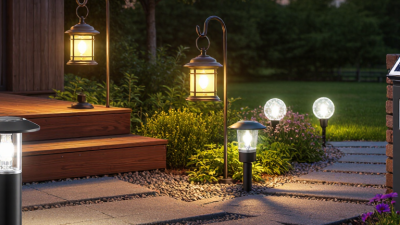
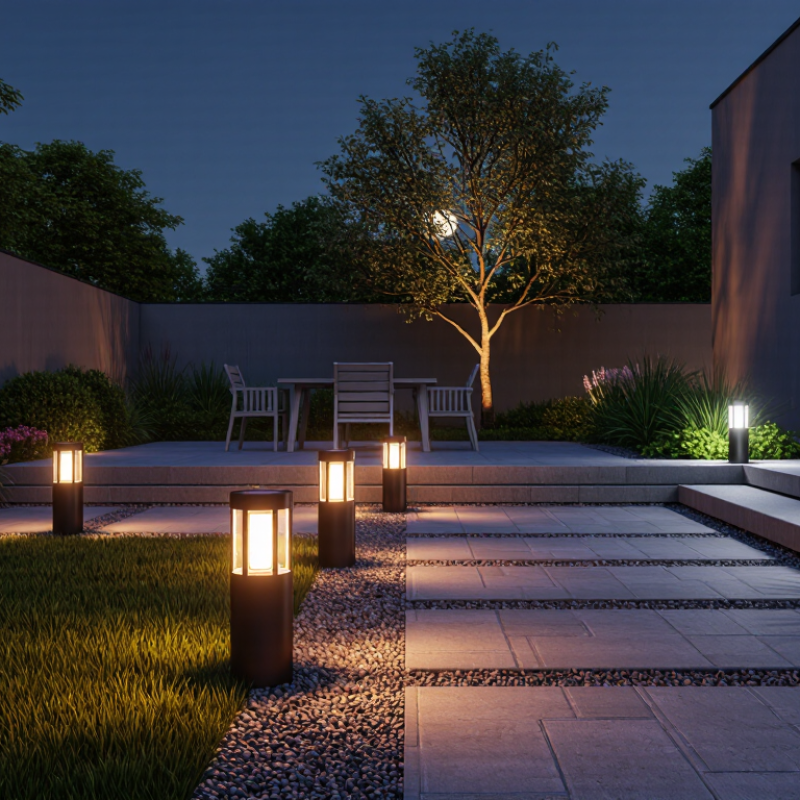
Understanding solar lamp types helps you match light to each outdoor task. Path lights create a soft line along walkways, steps, and garden borders. They usually use low brightness, which reduces glare and preserves the evening atmosphere. Spotlights direct stronger beams toward trees, signs, gates, or architectural details. Choose adjustable heads when seasonal changes may alter the target.

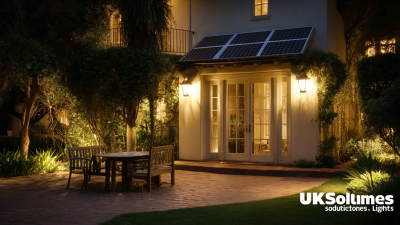
Wall-mounted solar lamps suit entrances, patios, and narrow side passages. Models with motion sensors can brighten when someone approaches, while staying dim at other times. Floodlights cover wider areas, such as driveways or storage zones. They need careful positioning, because excessive brightness can disturb neighbors or nearby wildlife. String lights add decorative warmth, but they are less suitable for security lighting.

Check the solar panel’s daily exposure before choosing any type. A lamp under thick branches may look attractive, yet charge poorly. Battery capacity also matters during cloudy weather. Look for weather resistance, secure mounting, and replaceable batteries when available. In practical outdoor testing, light color changed how safe a path felt. Warm light looked inviting, while neutral light revealed steps more clearly. I once focused too heavily on appearance and overlooked winter shade. That choice required repositioning later. Measure the location at night. Then compare brightness, beam direction, and charging conditions.

Assessing Brightness, Coverage, and Lighting Performance

How to Choose the Best Solar Lamp for Outdoor Lighting

Choosing a solar lamp depends on brightness, coverage, and performance after sunset.

In outdoor assessments, I begin by checking the lumen rating and beam pattern. Lumens show total light output, but they do not reveal useful distance.

A narrow beam may appear bright near a doorway. It can leave nearby steps poorly lit. Pathways usually need even, moderate illumination. Security areas may require stronger output and wider coverage.

Measure the area before selecting a lamp. A fixture mounted high can cover more ground, but its light may feel weaker. Check the beam angle and recommended installation height.

Wider beams suit patios and garden paths. Narrower beams work better beside entrances or gates. I once estimated coverage by eye and expected too much. The far corner remained dim.

A simple light meter, or repeated evening checks, can provide more reliable results.

Lighting performance also includes runtime, charging speed, and consistency during cloudy weather. Compare the claimed operating hours with your local daylight conditions.

A larger battery may maintain light longer, but it also needs a suitable charging period. Examine the solar panel’s angle and exposure to shade. Water resistance matters near sprinklers and coastal air.

Motion sensors can conserve power, though delayed activation may feel inconvenient. Small details matter.

Test the lamp at dusk, then inspect the same area late at night. Specifications help, but real surroundings decide.

Comparing Battery Life, Solar Panels, and Charging Efficiency

How to Choose the Best Solar Lamp for Outdoor Lighting

Battery life should match the lamp’s real job, not just its advertised runtime. A path lamp may need six hours, while a security light may require dependable overnight performance. Check the battery capacity in watt-hours when available. This gives a clearer comparison than vague claims like “long-lasting.” In cooler weather, batteries often deliver less power. I once focused too much on brightness and underestimated this seasonal drop.

Solar panel quality also affects daily reliability. A larger panel can collect more energy during weak sunlight, especially on cloudy afternoons. Panel angle matters as well. Place it where trees, walls, and roof edges will not cast afternoon shadows. A clean surface helps, but excessive cleaning is unnecessary. Dust rarely explains every charging problem.

Tips: Test the lamp for three nights before permanent installation. Record charging hours, brightness, and morning battery level. Compare these results after a cloudy day. Choose a model with automatic protection against overcharging and deep discharge. Efficient charging does not mean charging quickly in every condition. It means storing enough energy from available sunlight. For frequent rain, leave extra battery capacity rather than trusting perfect weather. Check the manufacturer’s technical data, but treat it as controlled-test information, not a promise for every garden.

How to Choose the Best Solar Lamp for Outdoor Lighting - Comparing Battery Life, Solar Panels, and Charging Efficiency

Lamp Profile Recommended Use LED Output Solar Panel Battery Capacity Typical Runtime Full-Charge Time Charging Efficiency Weather Protection Best Selection Factor
Compact Pathway Lamp Walkways and flower beds 20–60 lm 0.5–1.0 W 1.5–3 Wh 8–12 hours 6–8 hours of strong sunlight 65–80% IP44–IP65 Low cost and easy installation
Motion-Sensor Security Lamp Entrances and garages 300–800 lm 2–5 W 6–15 Wh 6–10 hours in low-light mode 5–8 hours of strong sunlight 70–85% IP65–IP66 Motion detection and brighter short-term output
High-Output Flood Lamp Driveways and large yards 1,000–2,000 lm 8–15 W 20–45 Wh 8–12 hours at reduced brightness 6–10 hours of strong sunlight 72–88% IP65–IP67 Large panel and higher overnight energy reserve
Decorative Lantern Patios and balconies 10–40 lm 0.3–0.8 W 1–3 Wh 8–14 hours 6–9 hours of strong sunlight 60–78% IP44–IP65 Ambient appearance rather than maximum brightness
Remote-Panel Wall Lamp Shaded walls and covered areas 400–1,200 lm 4–10 W 12–30 Wh 8–12 hours 5–8 hours of strong sunlight 70–85% IP65–IP66 Separate panel can be positioned in direct sunlight
How to compare the figures: Battery capacity is shown in watt-hours (Wh), calculated as battery voltage multiplied by amp-hours. Charging efficiency represents the approximate proportion of solar-panel energy stored in the battery after charging-controller and battery losses. Runtime depends on brightness, motion-sensor activity, temperature, shading, panel direction, and seasonal sunlight. The listed ranges reflect typical configurations available for outdoor solar lighting.

Checking Weather Resistance, Installation, and Maintenance Needs

How to Choose the Best Solar Lamp for Outdoor Lighting

Weather resistance should guide your choice before brightness or appearance. Check the product’s IP rating, which indicates protection against dust and water. For exposed gardens, an IP65 rating is often more suitable than IP44. However, even strong protection does not allow underwater use. Look for sealed joints, covered charging ports, UV-resistant housing, and materials that tolerate repeated temperature changes. In coastal areas, salt air can corrode ordinary metal quickly. Plastic may look less elegant, but it can last longer there.

Installation affects performance more than many buyers expect. Place the panel where direct sunlight reaches it for several hours daily. Avoid walls, trees, and roof edges that create afternoon shade. Secure the lamp firmly, especially in windy locations, and keep drainage openings clear. A loose stake can tilt after heavy rain. That small change may reduce charging efficiency. Mounting height also matters; a low path light creates softer guidance, while a higher lamp spreads light farther.

Maintenance is simple, but not effortless. Wipe dust from the solar panel with a damp, soft cloth every few weeks. Remove leaves before they block sunlight or trap moisture. Inspect screws, seals, and cable connections after storms. Batteries usually lose capacity over time, even when the lamp still turns on. Replace them only with compatible rechargeable cells. I have found that choosing the brightest lamp is not always wise; excessive output can shorten nightly runtime. My own selection process still involves compromise, especially during cloudy seasons.

Balancing Features, Lifespan, and Overall Value

How to Choose the Best Solar Lamp for Outdoor Lighting

The best solar lamp is not always the brightest one. It should match your space, weather, and daily lighting needs. A pathway lamp may need gentle, steady light, while a security area needs stronger illumination and a wider sensor range. Check the panel size, charging time, battery capacity, and light output before buying. These details often matter more than appearance.

Lifespan deserves close attention. Choose weather-resistant housing and a securely sealed battery compartment. Outdoor heat, frost, dust, and repeated rain can weaken cheap materials quickly. A replaceable battery can extend service life and reduce waste. However, battery replacement may require tools or technical knowledge. I once chose a lamp with impressive brightness, but its small panel charged poorly under nearby tree branches. The specification looked excellent. The real setting disagreed.

Tips: Observe the installation area for one full day. Measure direct sunlight, shade, and nighttime coverage. Clean the panel every few weeks, especially after pollen or dusty weather. Compare the purchase price with battery replacement costs and expected years of use. A lower-priced lamp can become expensive when its battery fails early. A premium model may also disappoint if its panel faces north or sits beneath dense leaves. Small details matter.